
- Why does immunity weaken in winter?
- Nutritional strategies to boost immune resistance
- Antioxidant nutrients for cellular protection
- Immunomodulatory micronutrients
- Phytotherapeutic approaches for immune optimization
- Adaptogenic plants
- Antiviral herbal extracts
- Probiotic support for gastrointestinal immunity
- Optimizing sleep for immune regeneration
- Stress management and immunoregulation
- Frequently asked questions about winter immunity
Why does immunity weaken in winter?
The winter months pose a particular challenge to our immune system due to a complex of biological and environmental factors. Reduced sunlight directly impacts the synthesis of vitamin D, which functions as a hormone-like substance in the regulation of immune processes. Cold temperatures force the body to redirect its energy resources towards thermoregulation, which can compromise the effectiveness of immune defenses.
Dry air in heated rooms dehydrates the mucous membranes in the nasal cavity and throat, making them more vulnerable to pathogenic microorganisms. In addition, winter is often characterized by increased consumption of refined foods and reduced physical activity, which further weakens the body's immunocompetence.
Nutritional strategies to boost immune resistance
Antioxidant nutrients for cellular protection
Adequate antioxidant intake is a fundamental strategy for naturally strengthening immunity in winter. Vitamin C functions as a cofactor in collagen synthesis and maintains the integrity of epithelial tissues. Daily requirements can be met by consuming citrus fruits, kiwi, red peppers and leafy vegetables.
Vitamin E works synergistically with vitamin C to protect cell membranes from oxidative stress. Nuts, seeds, and vegetable oils are excellent sources of this lipophilic antioxidant. Selenium, as a component of glutathione peroxidase, plays a critical role in detoxification processes.
Immunomodulatory micronutrients
Zinc is involved in over 300 enzymatic reactions and is essential for the normal functioning of T-lymphocytes. Its deficiency correlates with increased susceptibility to infections. Oysters, red meat, pumpkin seeds and legumes provide bioavailable forms of this essential mineral.
Vitamin D regulates the expression of over 1,000 genes, including those responsible for antimicrobial defense and anti-inflammatory processes.
Phytotherapeutic approaches for immune optimization
Adaptogenic plants
Echinacea (Echinacea purpurea) has demonstrated clinically proven immunostimulatory properties by activating macrophages and natural killer cells. The alkamides and polyphenolic compounds in the plant modulate cytokine production, optimizing the immune response.
Astragalus (Astragalus membranaceus) contains polysaccharides with immunoprotective properties. Traditionally used in Chinese medicine, it improves phagocytosis and stimulates the production of interferons.
Antiviral herbal extracts
Elderberry (Sambucus nigra), rich in anthocyanins, shows antiviral activity against various respiratory pathogens. Ginger (Zingiber officinale) has anti-inflammatory and antimicrobial properties thanks to its gingerols.
| Plant | Active compound | Mechanism of action |
|---|---|---|
| Echinacea | Alkamides | Macrophage activation |
| Astragalus | Polysaccharides | Stimulation of interferons |
| Elderflower | Anthocyanins | Antiviral action |
Probiotic support for gastrointestinal immunity
The gut microbiota plays a key role in immune homeostasis, with approximately 70% of immune cells residing in the gastrointestinal tract. The probiotic strains Lactobacillus acidophilus and Bifidobacterium bifidum maintain the intestinal barrier and modulate the local immune response.
Fermented foods like yogurt, kefir, and kimchi provide natural probiotics. Prebiotic fibers from chicory, Jerusalem artichoke, and green bananas feed beneficial bacteria, creating a favorable microbiome environment.
Optimizing sleep for immune regeneration
The suspected disorders compromise immune function through dysregulation of the hypothalamic-pituitary-adrenal hormone axis. During deep sleep, growth hormone is released, which stimulates the regeneration of immune cells.
Melatonin functions not only as a circadian rhythm regulator, but also as a powerful antioxidant. Consuming cod, cherries, and oatmeal can increase natural melatonin levels.
Stress management and immunoregulation
Chronic stress leads to a prolonged elevation of cortisol, which suppresses immune function by inhibiting lymphocyte proliferation. Meditation practices, yoga, and deep breathing activate the parasympathetic nervous system, counteracting the stress response.
- Practice daily meditation for 10-15 minutes
- Apply progressive muscle relaxation techniques
- Maintain regular physical activity
- Limit exposure to stressors
Frequently asked questions about winter immunity
How does the duration of sun exposure affect immunity?
Even 15-20 minutes of daily exposure to sunlight can significantly improve vitamin D synthesis. During the winter months, it is advisable to expose yourself to the sun around noon, when the intensity of UV-B rays is highest.
Which nutritional supplements are most effective for winter immune support?
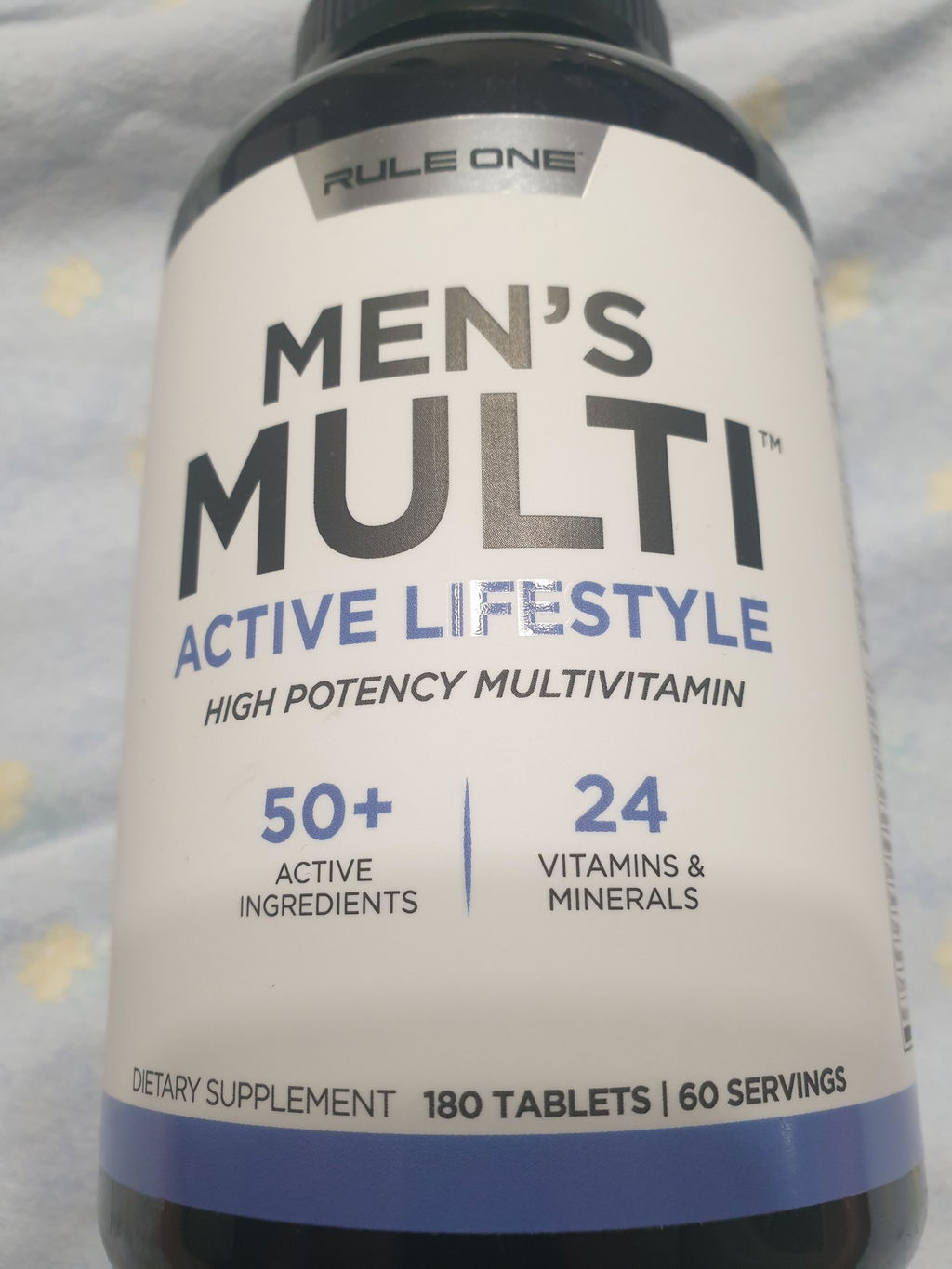
The combination of vitamin D3, zinc, vitamin C, and probiotics has been shown to have a synergistic effect for immune optimization. Choosing high-quality supplements with proven bioavailability and purity is critical to achieving the desired results.