
- The biochemical profile of vitamin E and its isoforms
- Synergism with other nutrients
- Dermal benefits and mechanisms of action
- Photoprotective properties
- Collagen synthesis and matrix stability
- Clinical evidence of efficacy
- Therapeutic applications in dermal conditions
- Optimal sources and bioavailability
- Modern formulations and nutritional supplements
- Dosage and safety of use
- Interactions and contraindications
- Frequently Asked Questions About Vitamin E
The biochemical profile of vitamin E and its isoforms
Vitamin E is a collective name for a group of eight liposoluble compounds, divided into two main categories: tocopherols and tocotrienols. α-Tocopherol is considered the most biologically active form in the human body. This antioxidant has a unique ability to integrate into cell membranes, providing critical protection against oxidative stress.
The molecular structure of vitamin E predisposes it to effective neutralization of free radicals. The hydroxyl group in the chroman nucleus donates hydrogen atoms, interrupting the lipid peroxidation chain. This mechanism is especially important for dermal tissues, which are constantly exposed to external aggressive factors.
Synergism with other nutrients
Vitamin E demonstrates a remarkable synergistic effect when combined with vitamin C and selenium. Ascorbic acid regenerates the oxidized form of tocopherol, restoring its antioxidant activity. Selenium, as a cofactor of glutathione peroxidase, complements the protective mechanisms of vitamin E.
Dermal benefits and mechanisms of action
The skin is the largest organ in the human body and serves as the first line of defense against environmental stressors. Vitamin E plays a central role in maintaining skin homeostasis through multiple biochemical pathways.
Photoprotective properties
Ultraviolet radiation generates reactive oxygen species in the epidermis and dermis. Vitamin E absorbs UV-B radiation and neutralizes photoinduced free radicals. This prevents damage to collagen and elastin fibers, delaying premature photoaging.
"Adequate levels of vitamin E in skin tissue can reduce UV-induced erythema by up to 40% with regular use."
Collagen synthesis and matrix stability
Vitamin E stimulates fibroblasts to increase the production of collagen types I and III. This effect is mediated by modulation of the TGF-β signaling pathway. In parallel, tocopherol inhibits metalloproteinases, which degrade the extracellular matrix.
Optimal concentration of vitamin E in the dermis maintains skin elasticity and firmness. Deficiency leads to accelerated degradation of structural proteins and the formation of fine lines.
Clinical evidence of efficacy
Numerous randomized controlled trials confirm the beneficial effects of vitamin E on skin health. Meta-analyses demonstrate statistically significant improvements in hydration, elasticity, and overall skin texture.
| Dosage (IU/day) | Application period | Observed effects |
|---|---|---|
| 400-800 | 8-12 weeks | Improved hydration and reduced fine lines |
| 200-400 | 4-6 weeks | Reduced erythema and inflammation |
| 800-1200 | 12-24 weeks | Significant improvement in elasticity |
Therapeutic applications in dermal conditions
Vitamin E shows clinical efficacy in various dermatological pathologies. In atopic dermatitis, it suppresses inflammatory cytokines and restores barrier function. Psoriatic plaques improve due to modulation of keratinocyte proliferation.
Wound healing is accelerated by stimulating angiogenesis and epithelialization. Vitamin E reduces keloid formation by regulating collagen synthesis.
Optimal sources and bioavailability
Dietary sources of vitamin E include vegetable oils, nuts, seeds, and green leafy vegetables. Sunflower oil contains primarily α-tocopherol, while palm oil is rich in tocotrienols.
- Almond oil - 26.2 mg/100g
- Sunflower seeds - 35.17 mg/100g
- Hazelnuts - 15.03 mg/100g
- Avocado - 2.07 mg/100g
- Spinach - 2.03 mg/100g
Modern formulations and nutritional supplements
Synthetic dl-α-tocopherol possesses 50% of the biological activity of natural d-α-tocopherol. Esterified forms (tocopheryl acetate, tocopheryl succinate) demonstrate improved stability and absorption.
Liposomal formulations and microemulsions increase bioavailability through improved membrane penetration. This innovative approach is particularly relevant for topical applications in the cosmetic industry.
Dosage and safety of use
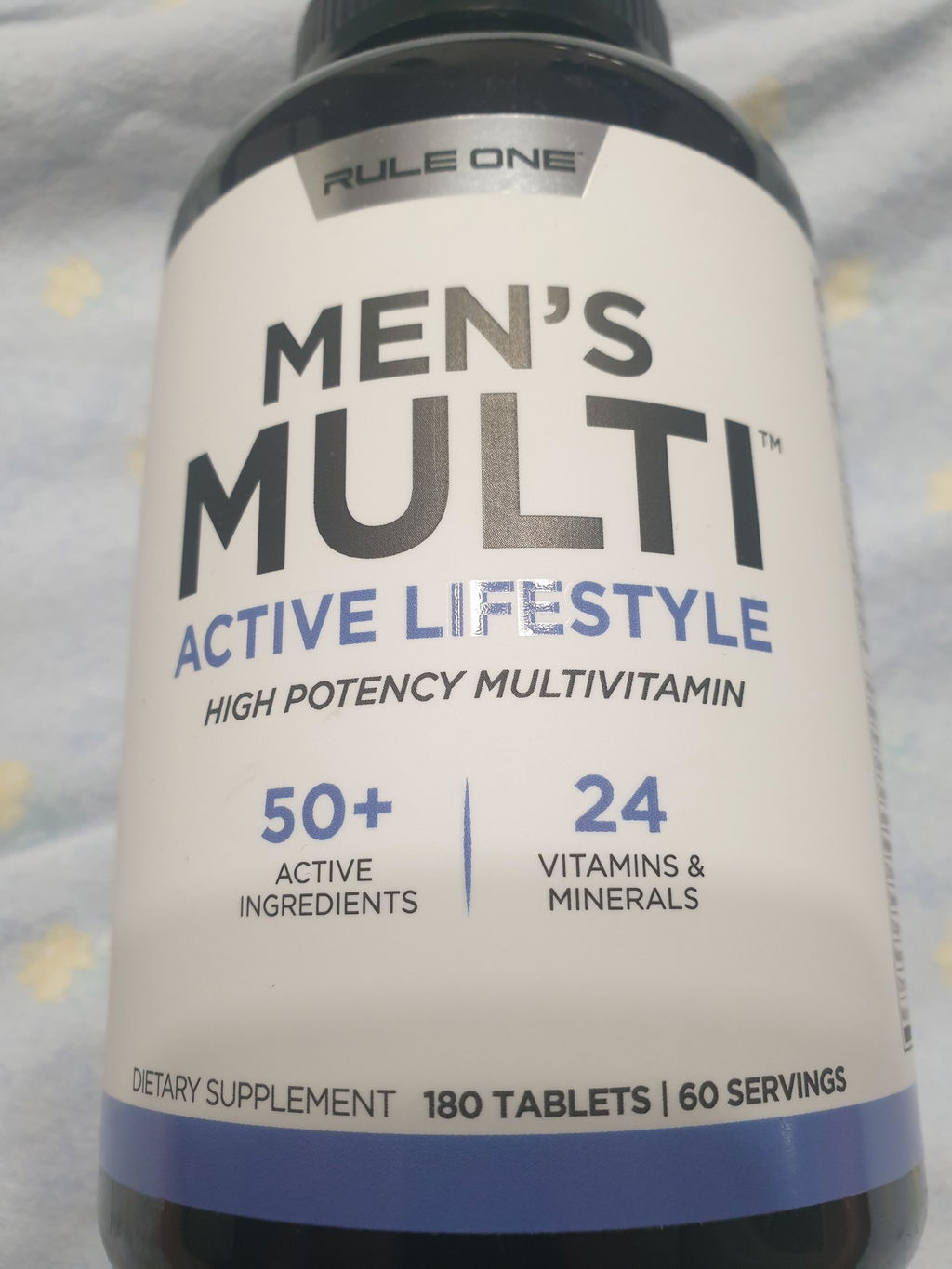
The recommended daily intake for adults ranges between 15-20 mg α-tocopherol equivalents. Athletes and individuals with increased oxidative stress may require higher dosages - up to 400-800 IU daily.
The upper safe limit is set at 1000 mg/day for adults. Excessive consumption may interfere with coagulation mechanisms due to antagonism with vitamin K.
Interactions and contraindications
Vitamin E may potentiate the effects of anticoagulant medications. Patients taking warfarin or other coumarin derivatives should consult a physician before starting high-dose supplementation.
In hemochromatosis or other iron-storage disorders, vitamin E may exacerbate oxidative stress through the Fenton reaction.
Frequently Asked Questions About Vitamin E
How long does it take to see visible results? Initial improvements in skin hydration are seen after 2-4 weeks of regular use. Structural changes in collagen architecture require 8-12 weeks of consistent supplementation.
Can vitamin E be combined with retinoids? Yes, vitamin E has demonstrated a protective effect against retinoid-induced irritation. The synergism between the two substances enhances regenerative processes.
Is there a difference between natural and synthetic vitamin E? Natural d-α-tocopherol has twice the biological activity of synthetic dl-α-tocopherol. When choosing dietary supplements, the natural form is recommended.
Vitamin E is a fundamental component in maintaining skin health and youth. Its pleiotropic effects include antioxidant protection, photoprotection, and collagen synthesis. With adequate supplementation, tocopherol can significantly improve skin texture, elasticity, and overall condition.