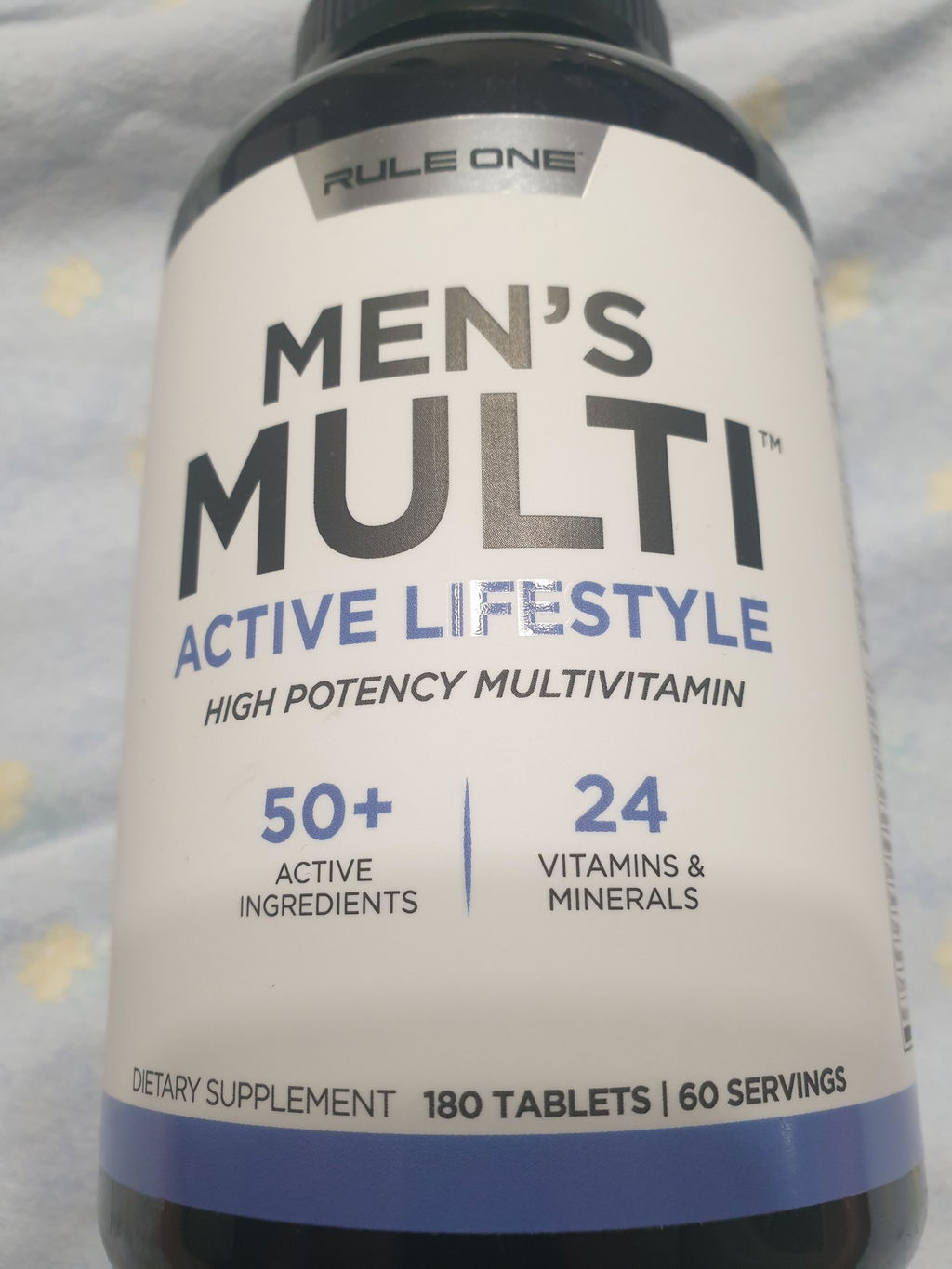

Feeling tired during the day or want more vitality while taking care of work, family and your appearance? The supplement market in Bulgaria is full of options, but every woman has different needs according to her age and lifestyle. The choice of nutritional supplements should be tailored to your health status and individual goals for energy and self-esteem to ensure safe and beneficial results.
Contents
- Step 1: Choose the right nutritional supplements according to your needs
- Step 2: Investigate the quality and composition of the products
- Step 3: Plan the right intake regimen
- Step 4: Evaluate the effectiveness and body reactions
- Step 5: Adjust intake according to results achieved
Quick summary
| Important point | Explanation |
|---|---|
| 1. Choose supplements according to individual needs | Conduct an assessment of your health status and consult a doctor for exact supplement needs. |
| 2. Examine the quality of the products | Check labels, ingredients, and the manufacturer's reputation to choose safe supplements. |
| 3. Plan a reception regimen | Determine the exact dosage and time of intake, tailored to your health goals and characteristics. |
| 4. Evaluate the effectiveness of supplements | Monitor changes in energy, sleep, and health to assess how supplements are affecting you. |
| 5. Adjust intake as needed | Regularly re-evaluate your supplements and adjust your intake based on changes in your health. |
Step 1: Choose the right nutritional supplements according to your needs
Choosing the right nutritional supplements requires a thorough approach to individual health needs. Every woman has unique requirements that should be carefully analyzed before starting a nutritional supplement.
First, you should have a complete health assessment. The FDA recommends consulting with a healthcare professional who can determine exactly what nutritional supplements are right for your specific needs. It's important to understand that not all supplements are equally beneficial for all women.
When choosing, consider several key factors such as age, physical activity level, diet, any health restrictions, and reproductive status. For example, women in different age groups have different needs for iron, calcium, vitamin D, and other micronutrients.
The National Center for Complementary and Integrative Health emphasizes that the effectiveness of nutritional supplements varies greatly . For this reason, it is advisable to have blood tests done to show exactly what nutrients you are lacking.
See key factors when choosing nutritional supplements according to life stage:
| Age group | Basic needs | Features of additives |
|---|---|---|
| Young women | Iron, vitamin D | Helps with energy and menstrual cycle |
| Pregnant | Folic acid, calcium | Important for fetal development |
| Active female athletes | Proteins, magnesium | They also help muscles recover. |
| Women in menopause | Calcium, vitamin B12 | Supports bones and nervous system |
Pro tip: Keep a detailed diary of your dietary supplements, noting the effects and any side effects you notice.
Step 2: Investigate the quality and composition of the products
When choosing dietary supplements, quality and composition are of utmost importance for your health. This process requires careful and systematic research that will help you make an informed choice.

First, pay attention to the label and ingredients. Look for high-quality multi-probiotic formulas that contain the most natural and pure ingredients possible. Check for scientifically proven active ingredients, such as omega-3 fatty acids, vitamins, and minerals in their most bioavailable form.
Pay special attention to the manufacturer and its reputation. Prefer brands that provide detailed information about origin, testing, and quality certifications. It is a good idea to look for supplements that meet international safety and purity standards.
Analyze additional markings on the packaging such as dosage, method of administration, and any warnings. Some dietary supplements, such as maca for women, require a specific intake regimen that you must follow precisely.
Professional advice: Consult a pharmacist or nutritionist before starting a new supplement regimen, who can provide an expert assessment of your individual needs.
Step 3: Plan the right intake regimen
The correct intake regimen of dietary supplements is a key factor in their effectiveness and safety. Different supplements require a different approach to their consumption, which depends on your individual needs and health status.
Nutritionists recommend planning your supplements based on your life stage and specific health goals. For example, if you are pregnant, you need a different set of supplements than a menopausal woman or an athlete. It is important to time your supplements with your meals, as some are absorbed differently depending on your food intake.
Basic rules for planning include precise dosage, timing, and possible interactions with medications or foods. Medical experts emphasize the importance of consulting a professional before starting a new supplement regimen.

When creating your individual plan, you should consider several key points such as age, level of physical activity, health status and any chronic diseases. Some supplements are recommended to be taken in the morning, others in the evening, and still others during or after meals.
Pro tip: Keep a diary in which you note the exact time of intake, dosage, and any side effects you notice.
Step 4: Evaluate the effectiveness and body reactions
Evaluating the effectiveness of dietary supplements requires a systematic and careful approach that will help you understand exactly how they affect your health and quality of life.
Scientific studies show variable results regarding the effectiveness of dietary supplements. Some can be extremely beneficial, while others may have no noticeable effect or even cause unwanted side effects.
To make an accurate assessment, you need to track several key metrics. Pay attention to changes in your energy, sleep quality, immune system, physical endurance, and overall well-being. Keep a detailed journal, noting not only your supplement intake but also any changes you notice.
As current research perspectives recommend , effectiveness depends on individual factors, product quality, and scientific evidence. Regularly consult with a medical professional who can objectively assess biological responses and health benefits.
Professional advice: Get regular medical checkups and blood tests to confirm the actual impact of supplements on your body.
Quick reference for evaluating the effectiveness of a dietary supplement:
| Indicator | How to track | Possible interpretation |
|---|---|---|
| Energy | Journal entry | Increased concentration |
| Sleep quality | Sleep tracking | Better rest |
| Immune system | Frequency of illness | Rare illness |
| Adverse reactions | Recording side effects | Correction alert |
Step 5: Adjust intake according to results achieved
Adjusting your supplement intake is a dynamic process that requires careful monitoring and flexibility to your body's changing health needs.
The American Heart Association recommends regularly reevaluating your dietary supplements based on changes in your health. If you notice that certain supplements are no longer as effective or are causing side effects, they may need to be adjusted or temporarily discontinued.
When fine-tuning your intake, you should consider several key factors. Assess changes in your diet, physical activity, hormonal balance, and overall health. The Mayo Clinic advises periodically reviewing supplements with a healthcare professional, who can help tailor them appropriately.
It is important not to overdo the amount of supplements you take. Overdosing can cause more harm than good. Watch carefully for changes in your self-esteem, energy, and overall health that may indicate a need for adjustment.
Pro tip: Create a spreadsheet or journal that accurately tracks the dosage, frequency, and effects of each nutritional supplement, which will help you make an easier and more accurate assessment.
Discover the perfect supplements for women's health and energy
Are you faced with the challenge of choosing the right nutritional supplements to support your health, energy and vitality according to your individual needs? Are you looking for high-quality products with proven composition and optimal intake regimen? You now have the answer to all this in one place.
Explore Feelyou 's rich assortment and find over 30,000 products in the dietary supplements category Cosmetics and accessories that combine quality with effectiveness To achieve the desired results, keep your own intake diary and the impact of supplements and use the selection from our site to adapt your regimen to your needs Learn more about ingredients and intake regimens through our specialized offerings such as Maca for women and high-activity multiprobiotics Choose now and trust in proven solutions that truly support your vitality
Take control of your health and energy right away with Feelyou - because every woman deserves the best
Frequently Asked Questions
How do I choose the right nutritional supplements for my women's health?
Choose nutritional supplements that meet your individual needs based on your age, lifestyle, and health status. Start by assessing your health and consulting with a healthcare professional.
What nutritional supplements are important for me at different stages of life?
Essential nutritional supplements that are important for women include iron and folic acid for pregnant women, calcium and vitamin B12 for menopausal women. Identify your needs, if necessary, have blood tests to determine what substances you are lacking.
When is the best time to take nutritional supplements?
The right way to take your supplements depends on the type of supplement; some are best taken in the morning, while others are best taken with or after meals. Plan your intake to maximize effectiveness, for example, taking calcium with dinner for better absorption.
How do I evaluate the effectiveness of the nutritional supplements I take?
Track changes in your energy, sleep quality, and overall well-being. Keep a journal of how you feel and evaluate your results every 30 days.
How do I adjust my supplement intake if I'm not seeing results?
If you don't see any improvement after a certain period of time, review the dosages and types of supplements. Consult a specialist and adjust your intake by reducing or replacing supplements that are not giving the desired results.
What are the possible side effects of dietary supplements?
Side effects may include stomach upset, allergic reactions, or drug interactions. It is important to monitor how your body responds and consult a doctor if you notice any side effects.
Recommended
- Health Blog: Everything for Your Health and Wellbeing
- Opti Ova™ Female Wellness Kit/ Fertility program for women x 60 sachets Natural Factors Bioclinic Naturals - Top Price
- The Secret of the Zone Diet: Optimal Nutrition and Effective Supplements
- EstroSense® / Hormone Balance - 60 capsules Natural Factors - Top Price