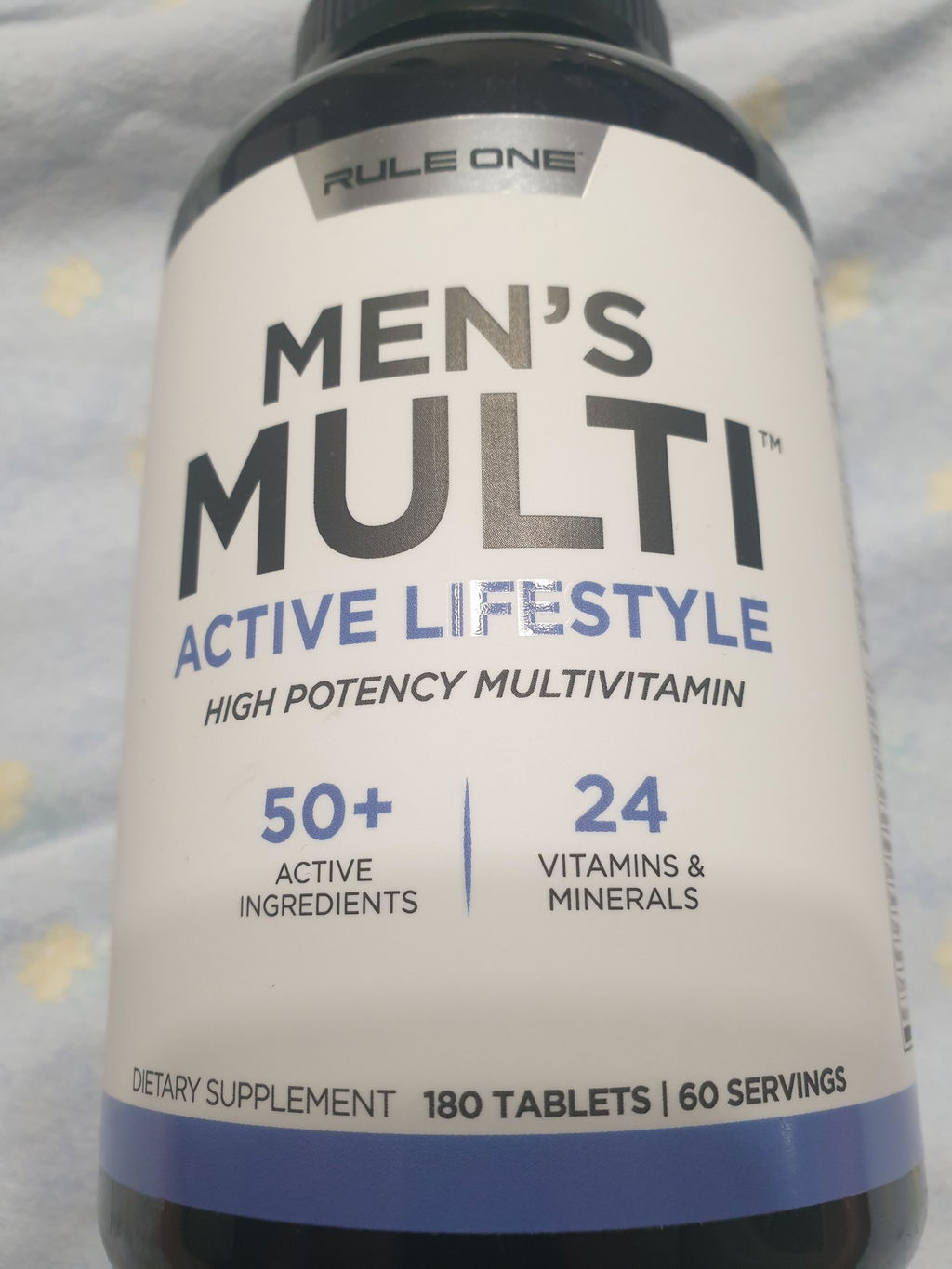

Achieving visible muscle growth often requires much more than intense training. The right nutritional supplements can be crucial to any fitness goal, providing the necessary proteins and nutrients for optimal recovery. Whether you're planning to increase your strength or want to effectively support muscle growth , here you'll find the most important details about the types of supplements and their effects on your body.
Contents
- What are muscle mass supplements?
- Main types and key differences
- How supplements work on the body
- Safety, Dosage, and Side Effects
- Common mistakes and risks when using
Main conclusions
| Point | Details |
|---|---|
| Muscle mass supplements support growth | They provide essential nutrients needed for muscle growth and recovery after workouts. |
| Individualized selection is important | Not all supplements are right for everyone; consulting a nutritionist is key. |
| Proper dosing is a noun. | Excessive use can lead to health problems. |
| Regular monitoring of the body's response | Monitor the effects of supplements and conduct periodic reviews for safety and effectiveness. |
What are muscle mass supplements?
Muscle mass supplements are specialized nutritional products that support the process of muscle growth and recovery. Scientific research shows that they include concentrated formulas with proteins, amino acids, and other nutritional ingredients designed to support the physical development of active people.
These products are usually divided into several main categories:
- Protein supplements : whey, casein or soy protein concentrates
- Creatine formulas : support muscle energy metabolism
- Amino acid complexes : stimulate muscle protein synthesis
- Combination supplements : contain multiple active ingredients
The main purpose of these supplements is to provide the body with additional nutrients to support the processes of muscle growth and recovery after intense physical exertion. Expert analyses emphasize that their effectiveness directly depends on their correct use and combination with an appropriate training program.
When choosing muscle mass supplements, it is important to consider individual physiological characteristics, level of physical activity and specific fitness goals. Not all products are equally suitable for every person, which requires prior consultation with a sports specialist or nutritionist.
Pro tip: Before you start using muscle mass supplements, get a complete medical examination and consult with an expert who can recommend the most appropriate products according to your individual needs and health condition.
Main types and key differences
Scientific research reveals that muscle mass supplements are differentiated based on their specific composition and biological effects. Each category has unique characteristics that make it suitable for different fitness goals and individual body needs.
The main types of additives include:
-
Protein supplements :
- Whey protein (fast absorption)
- Casein protein (slow release)
- Soy protein (vegetable source)
-
Amino acid complexes :
- BCAA (branched-chain amino acids)
- Glutamine
- Arginine
-
Creatine formulas :
- Creatine monohydrate
- Creatine hydrochloride
- Buffered creatine
-
Hormonal supplements :
- Testosterone boosters
- Hormonal stimulants
- Adaptogens
Expert analysis indicates that each type of supplement has a different mechanism of action. Proteins serve as the main building blocks for muscles, creatine improves energy metabolism, while amino acids stimulate protein synthesis and recovery after workouts.
The key differences between the various supplements lie not only in their composition, but also in their specific biological role. For example, creatine is known for its direct connection to cellular energy production, while branched-chain amino acids (BCAAs) directly support muscle growth and reduce fatigue during intense workouts.

The following table summarizes the key benefits and potential risks of different types of muscle mass supplements:
| Additive type | Main advantage | Potential risk | Recommended use |
|---|---|---|---|
| Protein | Quickly stimulates growth | Possible stomach upset | After training or on an empty stomach |
| Creatine | Increases energy and strength | Fluid retention | In cycles, with water |
| Amino acids | Improves recovery | Kidney overload | Before/after workout |
| Hormonal | May speed up results | Hormonal imbalance | Only under medical supervision |
Pro tip: Before choosing a specific type of supplement, consult a professional nutritionist who can assess your individual physiological characteristics and recommend the most appropriate products for your fitness goals.
How supplements work on the body
Scientific research reveals the complex mechanisms by which muscle mass supplements affect the human body. They act at the molecular level, stimulating various biological processes related to muscle growth and recovery.
Main mechanisms of action include:
-
Protein synthesis :
- Providing amino acids
- Activation of muscle protein receptors
- Stimulation of anabolic processes
-
Energy metabolism :
- Increasing ATP production
- Improving muscular endurance
- Reducing fatigue during workouts
-
Recovery processes :
- Reducing muscle inflammation
- Acceleration of cell regeneration
- Supporting muscle trophism
Biochemical studies show that different supplements affect the body in specific ways. Creatine, for example, increases nitrogen balance and available energy in muscle cells, while amino acids actively support protein synthesis and recovery after intense physical exertion.

The main purpose of these supplements is to optimize metabolic processes by creating a favorable internal environment for muscle growth. They act as catalysts that support the body's natural biological mechanisms, while providing additional nutrients necessary for achieving maximum athletic performance.
This table compares how supplements work on the body and key factors for optimal effectiveness:
| Mechanism of action | Effect on the body | Influencing factors | Optimal conditions |
|---|---|---|---|
| Protein synthesis | Increasing muscle mass | Protein quality | After intense exercise |
| Energy metabolism | Increasing endurance | Hydration, intake with food | During training |
| Recovery processes | Reducing inflammation | Regularity of reception | During rest periods |
Pro tip: Regularly monitor your body's response to various supplements and have periodic medical checkups to ensure their safety and effectiveness.
Safety, Dosage, and Side Effects
Scientific research highlights the critical importance of a careful approach to muscle mass supplements. Safety is a complex issue that requires a thorough understanding of individual physiological characteristics and potential risks.
Major risks and side effects include:
-
Digestive problems :
- Swelling
- Gases
- Stomach discomfort
- Diarrhea
-
Hormonal disorders :
- Fluctuations in testosterone levels
- Risk of hormonal imbalance
- Potential suppression of natural hormone production
-
Metabolic side effects :
- Increased blood pressure
- Fluid retention
- Changes in electrolyte balance
- Kidney strain
Expert analysis reveals that proper dosing is critical to minimizing risks. It is recommended to start with lower doses and gradually increase, monitoring individual tolerance and body response.
When using muscle mass supplements, it is essential to consult a medical professional, especially if you have pre-existing health conditions. Different supplements require different approaches - for example, creatine can be taken in cycles, while protein supplements are safer for longer-term use.
Pro tip: Keep a detailed journal of your body's reactions, recording any side effects or changes you notice when taking supplements, and share this information with your doctor or nutritionist.
Common mistakes and risks when using
Scientific research reveals many critical mistakes people make when using muscle mass supplements. The wrong approach can lead not only to a waste of time and money, but also to serious health risks.
The most common mistakes include:
-
Overdose :
- Exceeding the recommended daily doses
- Misunderstanding of the concentration of active ingredients
- Taking multiple supplements at the same time
-
Lack of professional consultation :
- Choosing supplements on your own without a medical evaluation
- Ignoring individual health characteristics
- Failure to report existing chronic diseases
-
Improper diet and exercise :
- Relying solely on supplements without a balanced diet
- Lack of a systematic training plan
- Unrealistic expectations for muscle growth
Expert analyses indicate that the most serious risks arise from uncontrolled and uninformed use of supplements. The risks range from mild digestive upset to serious hormonal imbalances and damage to internal organs.
Supplements that contain hormonal stimulants or are made by uncertified manufacturers are particularly dangerous. These products can cause unpredictable reactions in the body that go far beyond the original goal of muscle growth.
Pro tip: Before you start taking any supplements, get a complete medical examination and consult with a professional who can assess your individual tolerance and potential risks.
Optimize your muscle growth with the right supplements and expert support
You strive for effective muscle growth and want to avoid the risks of improper use of supplements. This is possible with the right information and careful selection of nutritional supplements to support your training. Seeing how important the dosage and individual approach are, it's time to find reliable products with a secure origin.
At Feelyou you will find over 30,000 products from the food supplements category carefully selected for quality and safety. This gives you the opportunity to choose protein, creatine or amino acid formulas for your specific needs. Get to know the expert advice and start with controlled use of muscle mass supplements. No more compromises in taking care of your health and results. We are waiting for you at Feelyou, where the right choice is easy and reliable.
Frequently Asked Questions
What are muscle mass supplements?
Muscle building supplements are nutritional products that contain specific ingredients that promote muscle growth and recovery. They typically include protein, amino acids, and creatine.
How do muscle mass supplements work on the body?
The supplements act at the molecular level by stimulating protein synthesis, increasing energy metabolism, and supporting recovery processes after workouts.
What are the main risks of using muscle mass supplements?
The main risks include digestive problems, hormonal disruptions, and metabolic side effects, such as increased blood pressure and fluid retention.
What types of muscle mass supplements are there and what is the difference between them?
There are different types of supplements, including protein, amino acid, creatine, and hormone supplements. Each has unique functions: for example, proteins serve as the building blocks of muscle, while creatine increases energy and strength.