


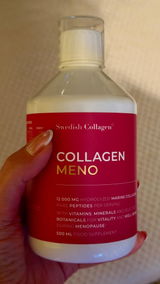

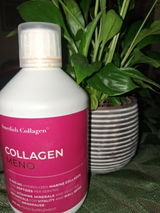




Поръчах хидролизиран колаген.Доволна съм.Ползвам втора опаковка.

Много съм доволна от обслужването. Поръчката пристигна бързо, продуктите бяха добре опаковани и отговаряха напълно на описанието. Сайтът е удобен за използване и предлага голямо разнообразие от продукти.
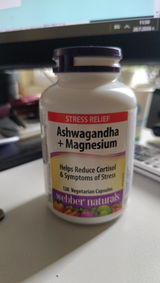
Като цяло съм довола от продуктите на Swedish Nature. Ползвала съм още рибния колаген премиум и ашваганда.
Доволна съм от обслужването, всички продукти, които съм поръчвала са с качество, тестерите на 95% са пълни... Заслужава си пазаруването в сайта!
Перфектен крем!Гелообразна консистенция,изключително богата формула за възстановяване на липидната бариера за зряла кожа,въпреки че и за суха и по-млада кожа ще бъде подходящ.Няма аромат!!!Трябва да не се разбърква,а да се взима и от топчетата и от гела!Доволна съм!!!!


Izvrsno iskustvo pretrage po asortimanu i odlična brza i točna dostava
Бързо и коректно обслужване. Незнайно защо куриер Спиди не достави до адрес и пратката ми предсоя в базата им Божурище 4 дни. Единствено благодарение на професионалната опаковка продуктите не бяха съсипани
Бърза доставка без проблеми. Бих се радвал ако в сайта има и информация за стока на годност на продуктите. Така човек може да си купи по голямо количество.