
- What are B vitamins and why are they important for the body?
- A detailed review of each B vitamin
- Thiamine (Vitamin B1) - The Metabolic Catalyst
- Riboflavin (Vitamin B2) - The Oxidative Mediator
- Niacin (Vitamin B3) - NAD synthetase
- Food sources rich in B vitamins
- Animal Products - Bioavailable Reservoirs
- Plant Sources - Phytonutrient Complexes
- Health benefits and physiological functions
- Neurological optimization
- Hematopoietic regulation
- Metabolic optimization in athletes
- Deficiency states and risk groups
- Recommendations for optimal intake and supplementation
What are B vitamins and why are they important for the body?
The B vitamins are a heterogeneous group of eight water-soluble vitamins that play a pivotal role in numerous metabolic processes. These biocatalysts function as cofactors in enzyme systems responsible for energy production, neurological function, and cell proliferation. The complex includes thiamine (B1), riboflavin (B2), niacin (B3), pantothenic acid (B5), pyridoxine (B6), biotin (B7), folic acid (B9), and cobalamin (B12).
The water-soluble nature of these nutrients means they have a limited ability to accumulate in the body. Therefore, regular intake through dietary sources or supplementation is essential to maintain optimal concentrations.
A detailed review of each B vitamin
Thiamine (Vitamin B1) - The Metabolic Catalyst
Thiamine functions as an essential component in carbohydrate metabolism, transforming into thiamine pyrophosphate, a key cofactor in the pyruvate dehydrogenase complex. Deficiency leads to encephalopathy and cardiomyopathy, known as beriberi syndrome.
Optimal thiamine concentration in the body is critical for the proper functioning of the nervous system and cardiovascular activity, especially in active athletes with increased energy needs.
Riboflavin (Vitamin B2) - The Oxidative Mediator
Riboflavin is converted into flavin mononucleotide (FMN) and flavin adenine dinucleotide (FAD), which participate in the redox reactions of cellular respiration. This vitamin is indispensable for the synthesis of glutathione - the main endogenous antioxidant.
Niacin (Vitamin B3) - NAD synthetase
Nicotinamide and nicotinic acid serve as precursors for NAD+ and NADP+, fundamental coenzymes in glycolysis, gluconeogenesis, and lipid synthesis. Adequate levels of niacin are critical for dermatological health and neurological integrity.
Food sources rich in B vitamins
Animal Products - Bioavailable Reservoirs
Animal tissues concentrate significant amounts of B-complex vitamins with high bioavailability. Hepatocytes accumulate the highest concentrations, followed by muscle fibers and neurological structures.
| Food product | Dominant B-vitamins | Content (per 100g) |
|---|---|---|
| Beef liver | B12, B9, B6, B2 | B12: 83.1 μg |
| Salmon | B12, B6, B3 | B12: 2.8 μg |
| Eggs | B12, B2, B7 | B7: 20.2 μg |
| Chicken meat | B3, B6 | B3: 7.3 mg |
Plant Sources - Phytonutrient Complexes
Plant biomass synthesizes specific B vitamins through endogenous biochemical pathways. Grains, legumes, and leafy greens are excellent alternatives for vegetarians and vegans.
- Whole grains - Contain complex concentrations of B1, B3 and B6 in the germ structures
- Legumes - Rich in folic acid and pyridoxine with high absorption rates
- Leafy vegetables - Concentrate significant amounts of folate in chloroplast membranes
- Nuts and seeds - Accumulate thiamine and niacin in lipoprotein complexes
Health benefits and physiological functions
Neurological optimization
B vitamins demonstrate a synergistic effect on myelinogenesis and neurotransmission. Cobalamin catalyzes the methylmalonyl-CoA mutase reaction, critical for myelin integrity. Pyridoxine is involved in the synthesis of serotonin, GABA and dopamine.
Hematopoietic regulation
Folic acid and vitamin B12 are essential for DNA synthesis in hematopoietic progenitor cells. Deficiency causes megaloblastic anemia with characteristic morphological abnormalities in erythrocytes.
Metabolic optimization in athletes
Physical activity increases metabolic demands for B-complex vitamins due to intensified mitochondrial respiration and protein synthesis. Professional athletes often demonstrate suboptimal serum concentrations.
Deficiency states and risk groups
Certain demographic segments exhibit an increased tendency towards B-vitamin deficiencies. Elderly individuals with reduced gastric acidity demonstrate compromised B12 absorption. Pregnant women require increased folate doses to prevent neural defects.
Alcohol intoxication inhibits thiamine utilization, causing Wernicke-Korsakoff syndrome. The vegan dietary paradigm can lead to B12 deficiency due to the absence of animal sources.
Recommendations for optimal intake and supplementation
A balanced diet usually provides adequate amounts of B-complex vitamins for healthy individuals. However, specific populations may require targeted supplementation under professional monitoring.
When choosing a dietary supplement, bioavailability and pharmaceutical quality are priority factors. Methylated forms of B12 and folic acid demonstrate superior bioavailability compared to synthetic analogues.
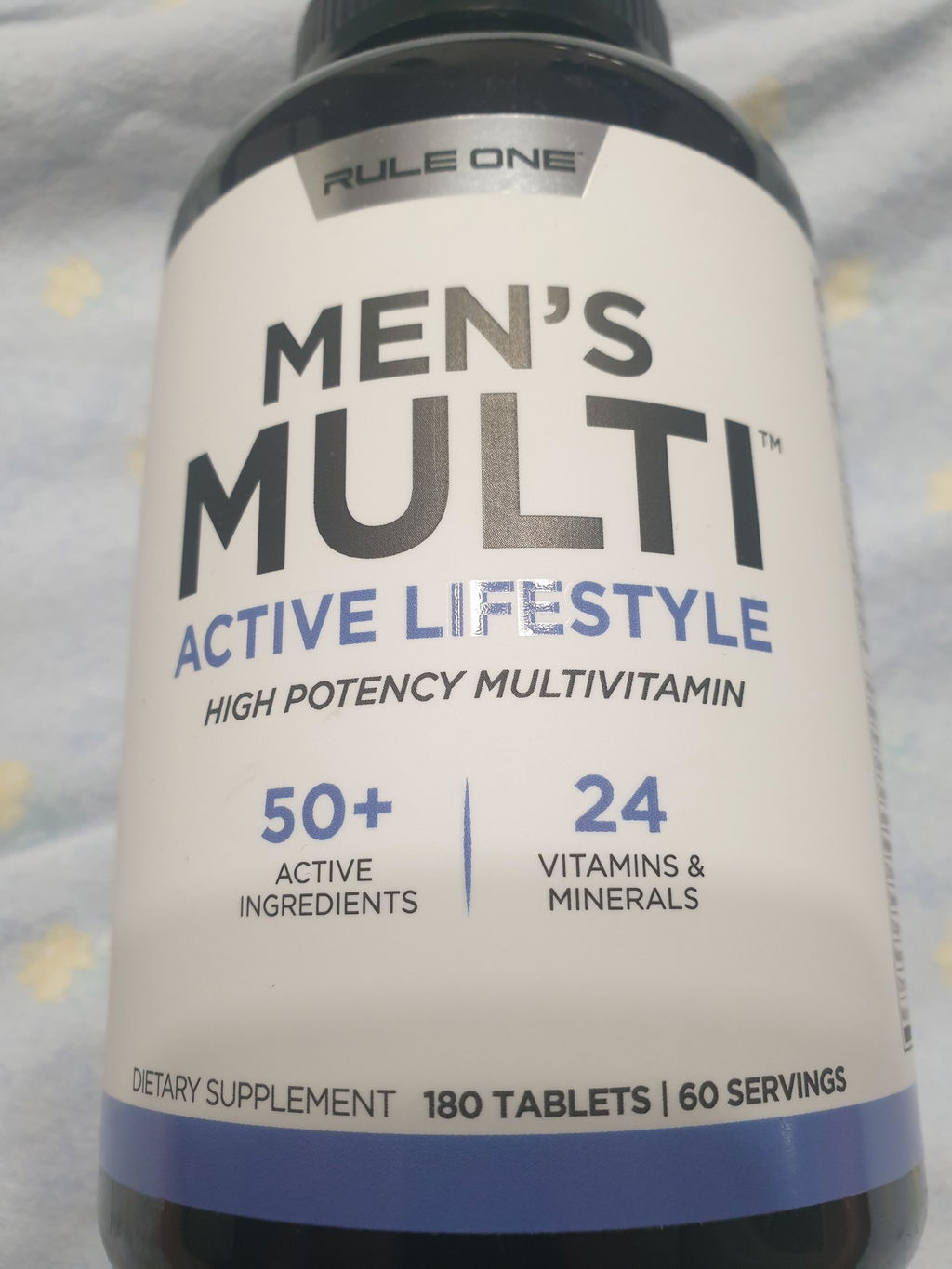
Professional athletes and active individuals can benefit from combined B-complex formulations with dosages adapted to training volume and intensity.