
- The role of collagen in the female body
- How menopause affects collagen production
- Hormonal changes and their impact
- Specialized support solutions
- Benefits of marine collagen
- Signs of collagen loss during menopause
- Systemic manifestations
- Practical strategies for preserving youthful skin
- Nutritional interventions
- Topical applications
- Frequently Asked Questions
The role of collagen in the female body
Collagen is a fundamental structural protein, constituting approximately one-third of the total protein composition in the human body. This biomolecule functions as the primary skeletal network for the skin, ensuring its elasticity, hydration, and structural integrity. In the female body, collagen plays a particularly critical role, supporting not only dermal architecture, but also the health of bones, joints, and connective tissues.
Collagen synthesis is a complex biochemical process involving fibroblasts in the dermis. These cells produce procollagen, which is subsequently transformed into mature collagen through specific enzymatic reactions. The quality and quantity of collagen produced directly correlates with the visual condition of the skin and its ability to resist external aggressive factors.
How menopause affects collagen production
The perimenopausal and postmenopausal periods are characterized by a dramatic decrease in estrogen levels in the female body. This hormonal imbalance triggers a cascade of physiological changes that significantly affect collagen homeostasis. Estrogen stimulates fibroblast activity and maintains optimal conditions for collagen biosynthesis.
Scientific studies have shown that in the first five years after menopause, women lose up to 30% of their total collagen. This loss occurs at an exponential rate - approximately 2.1% per year in the early stages. Reduced estrogen secretion compromises the ability of fibroblasts to maintain adequate levels of collagen production, leading to a progressive deterioration of skin texture and elasticity.
Hormonal changes and their impact
Hypoestrogenemia causes not only a quantitative decrease in collagen, but also qualitative alterations in its structure. Collagen fibrils become thinner and more fragmented, which compromises their mechanical resistance. In addition, the reduction of hyaluronic acid in the interstitial space increases skin dehydration.
Specialized support solutions
In the context of modern nutritional interventions, specialized collagen supplements represent an effective strategy to counteract menopausal skin changes. Fish Collagen Menoplus 10,000mg offers an integrated approach to menopausal challenges by combining high concentrations of collagen peptides with additional bioactive components.
This specialized product contains an optimized formula of low molecular weight marine collagen, which ensures maximum bioavailability and absorption. Additional ingredients include vitamins and minerals that synergistically support endogenous collagen synthesis and mitigate specific menopausal symptoms.
Benefits of marine collagen
Marine collagen demonstrates superior biocompatibility compared to other collagen sources. Its amino acid profile closely mimics human type I collagen, which is predominant in the skin matrix. Hydrolyzed marine collagen peptides exhibit the highest degree of solubility and absorption through the gastrointestinal tract.
Signs of collagen loss during menopause
The clinical manifestations of collagen deprivation in the menopausal period are manifested by a variety of dermal and systemic symptoms. Primary indicators include the progressive formation of fine lines and wrinkles, especially in the periorbital and perioral areas. The skin gradually loses its elasticity and tone, acquiring a characteristic flaccidity and ptosis.
Dermal atrophy is characterized by reduced skin density, increased sensitivity to mechanical trauma, and delayed regenerative healing.
Additional symptoms include hyperpigmentation, enlarged pores and reduced skin hydration. Textural abnormalities become particularly noticeable, with the skin acquiring a rough and uneven surface. Photoaging effects are accentuated due to compromised antioxidant protection.
Systemic manifestations
Collagen deficiency also manifests itself outside the dermal sphere. Joint structures become more vulnerable to degenerative changes, with reduced joint mobility and discomfort. Bone density is also compromised due to the impaired collagen matrix in bone tissue.
Practical strategies for preserving youthful skin
A comprehensive approach to preventing menopausal skin changes requires the integration of multiple therapeutic modalities. Oral supplementation with high-quality collagen is a key element of this strategy, providing the necessary building blocks for endogenous collagen repair.
| Strategy | Mechanism of action | Expected results |
|---|---|---|
| Collagen supplementation | Providing bioavailable peptides | Improved skin elasticity |
| Antioxidant protection | Neutralization of free radicals | Delayed photoaging |
| Hydration | Maintaining the skin barrier | Improved skin texture |
Nutritional interventions
Dietary modifications play an essential role in maintaining collagen homeostasis. Consumption of foods rich in vitamin C, zinc and copper stimulates endogenous collagen synthesis. Omega-3 fatty acids maintain anti-inflammatory status and optimize cell membrane functions.
- Incorporating citrus fruits for vitamin C
- Consuming nuts and seeds for zinc
- Regular intake of fatty fish for omega-3
- Limiting sugar and processed foods
Topical applications
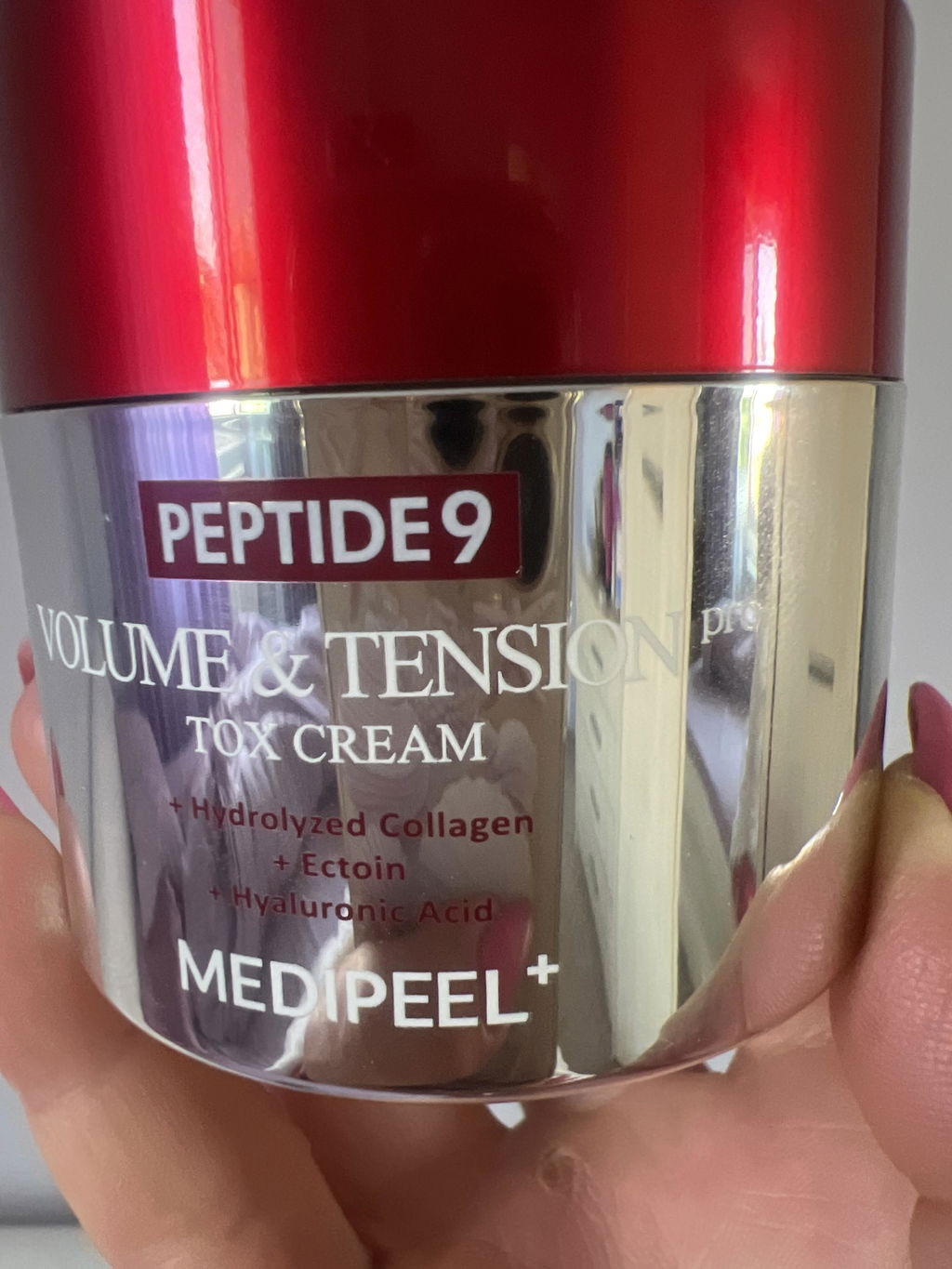
Combining oral supplementation with targeted topical treatments maximizes therapeutic results. Retinoids stimulate the cell renewal cycle, while peptide creams directly deliver active ingredients to the dermal layers.
Frequently Asked Questions
How long does it take for visible results from collagen supplementation?
Initial improvements in skin hydration can be seen within 2-4 weeks. Structural changes in skin architecture usually become apparent after 8-12 weeks of consistent use.
Are there any contraindications to taking collagen supplements during menopause?
Collagen supplements are generally safe for most women. It is recommended to consult a doctor if you have allergies to seafood or specific medical conditions.
Can diet alone compensate for collagen loss?
While a balanced diet is important, supplementation with concentrated collagen peptides provides significantly higher doses of bioactive compounds than is possible through food.