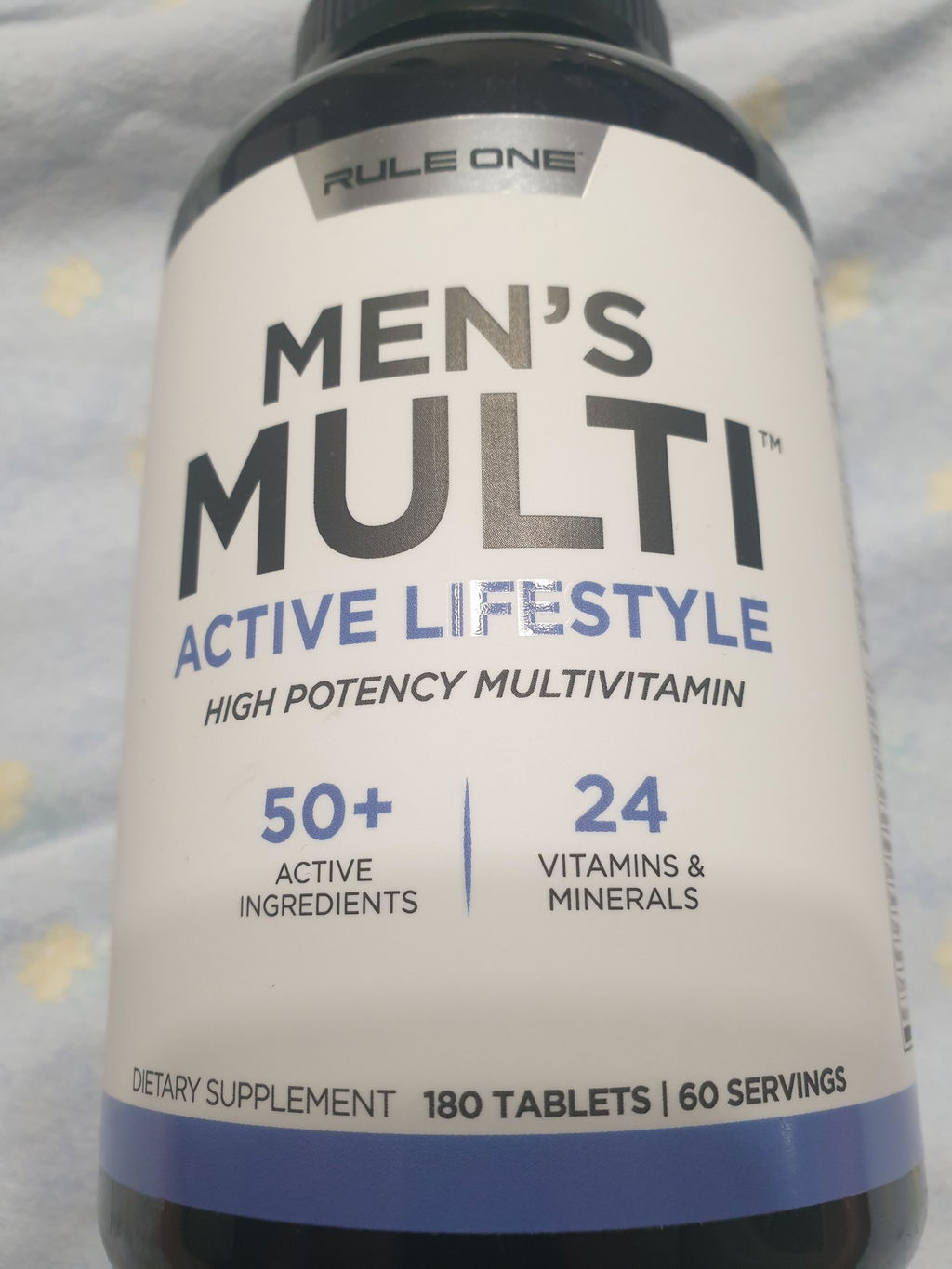

Sometimes choosing a weight loss supplement can seem more complicated than the diet itself. In a sea of promises of quick results, the difference between an effective product and a completely useless one can be huge. Many supplements are advertised as a magic solution, but the reality is that the evidence for effectiveness is limited and often lacks scientific support . This article will help you understand how the different types work and how to choose wisely to achieve your goals safely.
Contents
- What are weight loss supplements?
- Main types and mechanisms of action
- Popular ingredients and scientific effectiveness
- Risks and unwanted side effects
- How to choose a safe dietary supplement
Main conclusions
| Point | Details |
|---|---|
| Weight loss supplements | They work best in combination with diet and physical activity, not as a substitute. |
| Scientific basis | Choose supplements with clearly documented ingredients and effectiveness to minimize risks. |
| Potential risks | Some supplements can cause unwanted effects, especially when interacting with medications. |
| Consultation with a specialist | It is always wise to consult a doctor or pharmacist before starting a new supplement. |
What are weight loss supplements?
Weight loss supplements are food products that are intended to aid in the process of weight loss when used in combination with a reduced calorie intake and physical activity. They are concentrated sources of nutrients and biologically active substances that are available in various forms such as tablets, capsules, powders and liquid extracts. Unlike drugs, supplements are not intended to treat or prevent diseases, but to supplement your daily diet with substances with claimed beneficial effects on metabolism and weight control.
The ingredients of weight loss supplements vary greatly and may include:
- Natural plant extracts such as green tea, garcinia cambogia and conjugated linoleic acid
- Amino acids and protein components to maintain muscle mass during dieting
- Vitamins and minerals that optimize energy metabolism
- Herbs and adaptogens traditionally used to improve energy and reduce appetite
- Active compounds such as caffeine, conjugated linoleic acid and other substances with documented effects on lipid metabolism
It is important to understand that the regulation of supplements is significantly weaker than that of drugs. This means that the evidence for the effectiveness of many products is limited or absent, and some supplements do not have a convincing scientific basis. Consumers should be especially careful, as not all promises made by manufacturers have been verified through rigorous clinical studies. The difference between a quality supplement and an ineffective product can be colossal, which is why some girls return completely disappointed with their purchases.
When looking for a weight loss supplement, you should focus on products that have a scientific basis and clear documentation of their ingredients. It is better to avoid those that promise “magic” results without any compromise or diet. The word is that supplements work best as a complement to a healthy lifestyle , not as a replacement for it. Research shows that successful weight loss depends primarily on a calorie deficit, and supplements can only help a little on the way to achieving your goal.
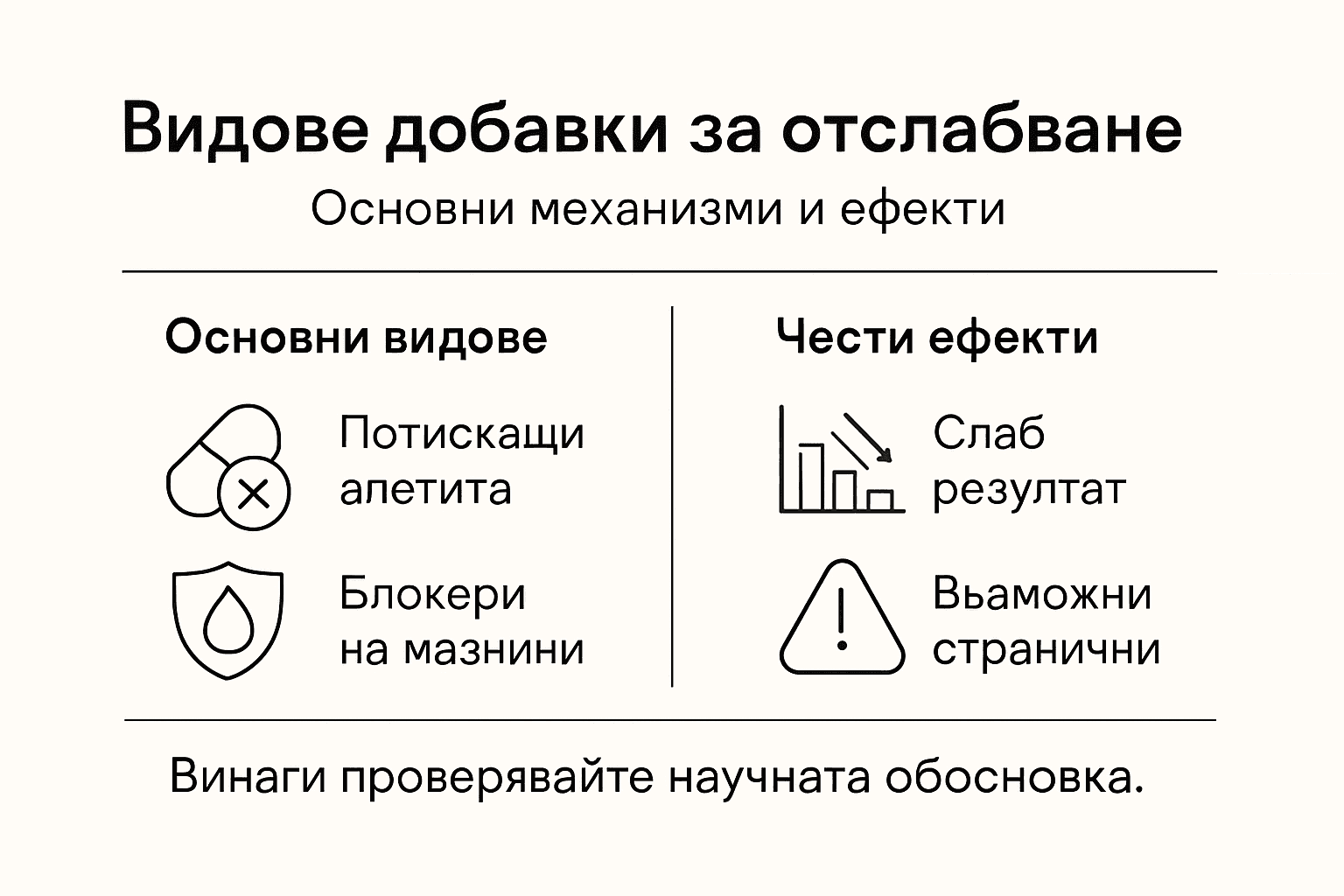
Expert Tip: Before purchasing any weight loss supplement, check the label to see if it contains ingredients with a proven scientific basis and read reviews from real users with a critical attitude, as many companies exaggerate their claims of effectiveness.
Main types and mechanisms of action
Weight loss supplements don’t work in one way. Different products use different strategies to help your body lose weight, and understanding these mechanisms is key to choosing the right product for you. The main mechanisms include appetite control, reducing nutrient absorption, and increasing energy expenditure. Each of these approaches works on a completely different level, affecting different parts of your metabolism and behavior.
The main types of weight loss supplements are classified by four different mechanisms of action:
-
Appetite Suppression - Ingredients like glucomannan, psyllium, and certain plant extracts increase the feeling of fullness. They work by expanding in the stomach and colon, which signals to the brain that you are full. This way, you reduce the total amount of food you eat throughout the day without feeling hungry.
-
Enzyme Blocking - Some supplements contain substances that reduce your body's ability to absorb fats and carbohydrates from food. For example, lipase blockers reduce the dissolution of dietary fats in the intestines, meaning some of the calories simply pass through your system without being absorbed.
-
Increase thermogenesis - This is the process by which your body produces heat and burns more calories. Substances like caffeine, green tea extract, and certain alkaloid modes of action activate the brain centers responsible for temperature control. The result is that your body burns more energy even when you are at rest.
-
Improve metabolism - A combination of substances can improve insulin sensitivity and accelerate fat breakdown . This means that your body processes glucose more efficiently and prefers to use stored fat for energy instead of accumulating it.
It’s important to know that the most effective supplements often work by combining more than one mechanism. For example, green tea both promotes thermogenesis and suppresses appetite, which means its effects are stronger than the effects of a single ingredient. For some women, a single supplement may work perfectly, while for others it may be almost ineffective, because every body is different and each of you reacts differently to different substances.
For easier orientation, here is a comparison of the leading mechanisms of action in weight loss supplements:
| Mechanism | How it works | Suitable for | Examples of ingredients |
|---|---|---|---|
| Appetite suppression | Enhances satiety, delays hunger | People with frequent hunger | Glucomannan, psyllium |
| Blocking absorption | Reduces fat/carbohydrate absorption | Lovers of high-calorie foods | Chitosan, white bean extract |
| Increasing thermogenesis | Increases calorie expenditure | With low energy consumption | Caffeine, green tea extract |
| Improving metabolism | Enhances the use of fat for energy | People with slow metabolism | Conjugated linoleic acid |
When considering your options, you should consider which mechanism best suits your needs. If your main problem is constant hunger, appetite suppressants may be more suitable. If, on the other hand, you have energy problems, you may prefer thermogenic supplements. Combining several approaches under the supervision of a specialist can lead to better results, but you should always be careful about interactions between different ingredients.
Expert Tip Before choosing a supplement, determine what your main challenge is while dieting - hunger, low energy, or slow metabolism, because different types of supplements solve different problems.
Popular ingredients and scientific effectiveness
There are dozens of ingredients on the market that manufacturers tout as miracle weight loss solutions. Each one comes with promises, but when we look at what the scientific research actually says, the picture is much more complex. Not all popular ingredients have an equally strong scientific basis, and understanding the difference between hype and real evidence is critical to choosing the right supplement.
Ingredients with documented effects
Some ingredients do show some ability to aid in weight loss, although in most cases the effect is modest. Chitosan is one of the most studied ingredients and has shown the ability to reduce fat absorption, leading to a small reduction in weight in some individuals. Glucomannan , a type of soluble fiber, is considered one of the more effective natural ingredients because it expands significantly in the stomach and reduces hunger. Conjugated linoleic acid has moderate scientific support and some studies show that it may help with body fat reduction, especially when combined with physical activity.
Scientific results show that these ingredients lead to statistically significant weight loss, but the effect is often small . This means that while they technically "work," the actual difference in weight can be as little as 2 to 3 pounds over a few months. For some women, that's motivation enough, for others, it's disappointingly low.
Ingredients with inconsistent or limited benefits
More popular ingredients have far more problematic profiles. Guar gum , Hoodia gordonii (a plant from the African savanna), Irvingia gabonensis (African mango), and Phaseolus vulgaris (white kidney bean extract) have all undergone varying levels of research, but the results have been inconsistent. Some studies show small benefits, while others find no significant effect. There is a lack of convincing evidence for the safe and effective use of many of them .
The problem with many of these ingredients is that the quality of the research is often poor. Many studies are funded by the supplement manufacturers, are small in size, and lack adequate control groups. This makes it impossible to know for sure whether the effect is real or a placebo.
Ingredients without proven effect
Some ingredients that are still sold lack any convincing scientific evidence of effectiveness. Fructans , for example, have no proven effect on weight loss, even though some manufacturers advertise them as “magic” ingredients. The situation is similar with many other exotic plants that sound impressive on the label, but lack adequate clinical studies.
It's important to realize that weight loss supplements aren't regulated as strictly as medications. This means that manufacturers can make pretty loose claims without providing the same amount of scientific evidence. When choosing a supplement, you should look for information about whether the ingredient has been studied in independent laboratories and what the exact results were.
When listening to advertising claims, ask yourself critical questions. Is there a specific weight loss figure given, or do they just say “natural weight loss”? How large was the sample size in the study? Was the study funded by the company selling the supplement? These questions will help you figure out whether the ingredient really works or whether it just looks impressive on paper.
Expert Tip When considering a new supplement, look for publications in reputable scientific journals and avoid those that claim 100% guaranteed results, as such promises are a sure sign of marketing hype instead of scientific fact.
Risks and unwanted side effects
Many women view weight loss supplements as a completely safe alternative to medication, but the reality is more nuanced. Supplements contain active ingredients that affect your body, and each active ingredient carries the potential for side effects. In recent years, the medical literature has reported a growing number of cases of people experiencing health problems due to the improper use of weight loss supplements. It is important to understand what the real risks are so you can make an informed decision.

Most common side effects
Supplements that contain caffeine, green tea extract, glucomannan, and other active ingredients can cause a variety of gastrointestinal and other side effects . If you use a supplement with a high dose of caffeine, you may experience:
- Insomnia and heart palpitations - Caffeine activates the central nervous system, which in some people leads to difficulty falling asleep and rapid heartbeat.
- Dizziness and headaches - Especially with blood problems or low blood pressure
- Stomach upset - Many ingredients irritate the stomach lining, leading to acid reflux, heartburn, or diarrhea
- Increased anxiety - Some people report increased nervousness and panic when using certain supplements
Particularly dangerous is the combination of incompatible ingredients. When different active ingredients are combined without a proper understanding of the interactions, the result can be unpredictable and potentially dangerous.
Drug interactions
One of the most critical things to know is that supplements can interact with medications you're already taking. For example, if you're taking blood thinners, some ingredients can increase their effects, leading to excessive bleeding. If you're taking medication to control your blood pressure, the caffeine in the supplement can raise it dangerously.
Studies show a variety of side effects, including cardiometabolic, psychological, and others, that vary between different products and individuals . This means that even if your friend has used a certain supplement without any problems, you may have a completely different experience.
Serious health warnings
Although serious side effects are rare, they do occur. There have been documented cases of:
- Cardiac arrhythmias and heart attacks
- Liver and kidney problems
- Brain hemorrhages
- Allergic reactions, including anaphylaxis
These extreme cases are more likely in people with pre-existing health conditions, but can also occur in healthy individuals. One critical issue is that many supplements contain unidentified impurities or highly concentrated doses of active ingredients that are not properly labeled.
Groups at increased risk
Some women are at increased risk of negative effects. These include:
- Women with cardiovascular disease
- Those with liver or kidney function problems
- Pregnant and breastfeeding women
- Women taking multiple medications
- Those with a history of cardiac arrhythmias
A common question is whether natural means safe. The answer is a resounding no. Many natural plants contain toxic compounds that can cause serious health problems. Just because something grows in nature doesn't mean it's safe to consume in concentrated form.
First of all, if you start to experience any unusual symptoms while using a supplement, stop using it immediately and seek medical attention. Your health comes first, and no diet is worth risking it.
The following table summarizes the differences between the most common side effects and risk groups when taking supplements:
| Side effect | Probable cause | Increased risk for | Prevention measures |
|---|---|---|---|
| Insomnia | High caffeine | Women with heart problems | Avoid caffeine supplements in the evening |
| Stomach upsets | Irritating ingredients | Sensitive stomachs | Take with food |
| Increased anxiety | Activation of the nervous system | Individuals with panic disorders | Monitor reactions, reduce dose |
| Allergic reactions | Plant extracts | People with allergies | Check the label, test a small dose |
Expert Tip Always consult your doctor or pharmacist before starting a new supplement, especially if you are taking medication or have known health problems, as they can identify potential interactions and risks specific to your situation.
How to choose a safe dietary supplement
Choosing the right weight loss supplement is like choosing food at the supermarket. The more informed decisions you make, the better your results will be and the lower your risks will be. Unfortunately, the market is full of products with unrealistic promises and weak scientific support. Understanding how to read a label, how to evaluate ingredients, and how to consult a professional is key to making a safe supplement choice.
Read the label and ingredients carefully
The bottom line is that any supplement should have all of its ingredients clearly listed. Your first task is to review this list carefully and look for information about any ingredients you don't recognize. A good weight loss supplement will typically contain:
- Scientifically backed ingredients like glucomannan, green tea extract, or conjugated linoleic acid
- Clear dosages in grams or milligrams, no confusing phrases like “production mix”
- Manufacturer with contact information and address
- Information on the treatment and origin of ingredients
Avoid products that contain unknown ingredients or ingredients you can’t find any information about. If the label says “blend of herbal extracts” without specifying which plants, that’s a red flag. Safe use of a weight loss supplement requires reviewing the ingredients and making sure they meet the recommended daily intake.
Check dosage and directions
One of the main reasons for adverse effects is exceeding the recommended dosage. Many women think that if 1 capsule is good, 2 capsules will be better. This is a dangerous myth. Each supplement has been studied for a specific dosage, and exceeding it does not increase effectiveness, but greatly increases the risks of side effects.
Check:
- How much supplement should you take per day?
- Should you take it with or without food?
- When during the day is it best to take it?
- How long can you safely use it?
Some supplements should not be used for long periods of time without a pre-ex. Others should be taken with food to avoid stomach upset. Don't skip this information just because you're already eager to see results.
Consult a specialist before starting
While many women don't, consulting a doctor or pharmacist is a critical step. Especially if you're taking other medications or have a chronic condition, a professional can identify potential interactions or contraindications. A pharmacist is usually the best choice for consultation, as they specialize in medications and supplements.
Bring a complete list of all medications you take, including vitamins and other supplements. Tell the specialist your age, weight, and whether you have any known allergies or sensitivities. Be honest about your health status.
Choose well-known manufacturers
Supplements from reputable manufacturers are generally more likely to contain quality ingredients and follow manufacturing standards. Look for manufacturers who:
- They have a long history in the market
- Publish results of independent testing
- They have positive reviews from real users
- Are honest about the fact that the supplement is a supplement, not a medicine
Avoid manufacturers who claim their product is a miracle cure that replaces diet and exercise. Real supplements work as an aid, not a replacement.
Do a trial period
When starting a new supplement, don't immediately combine it with other new products. Take it alone for 1-2 weeks and observe how your body reacts. Keep a journal of any changes you notice. This helps you identify exactly whether the supplement or something else is causing any unwanted effects.
If you experience any strange reaction during this period, stop use and consult a specialist.
Expert Tip Before purchasing a supplement, check if the European Food Safety Authority has issued an opinion on the ingredient, as this ensures that it has been studied and approved by official authorities.
Discover effective and safe weight loss solutions with Feelyou
The process of losing weight requires the right choice of supplements that support appetite control, metabolism and thermogenesis without compromising your health. In our vast assortment of over 30,000 products you will find quality and scientifically supported supplements tailored to your specific needs and challenges.
Don't take chances with untested products and promises of magical effects. Choose supplements with proven effects and clear ingredients from Feelyou . Start your journey to the body you want today with a rational and informed choice and check out our suggestions for nutritional supplements that work safely and effectively.
Frequently Asked Questions
What are the main types of weight loss supplements?
The main types of weight loss supplements include appetite suppressants, nutrient absorption blockers, thermogenesis enhancers, and metabolic enhancers. Each type of supplement works by a different mechanism, affecting metabolism and behavior.
How can I choose a safe weight loss supplement?
Before choosing a supplement, it's important to read the label carefully, check the dosage and ingredients, and consult with a professional. Choose reputable manufacturers and check what scientific evidence is behind the ingredients.
What are the risks and side effects of weight loss supplements?
Weight loss supplements can cause various unwanted side effects such as stomach upset, insomnia, anxiety, and allergic reactions. It is important to pay attention to the individual body's reaction and avoid combinations of incompatible ingredients.
How do weight loss supplements work?
Weight loss supplements work through a variety of mechanisms, including appetite suppression, reducing fat and carbohydrate absorption, increasing energy expenditure, and improving metabolism. Some ingredients may combine these mechanisms for optimal effect.