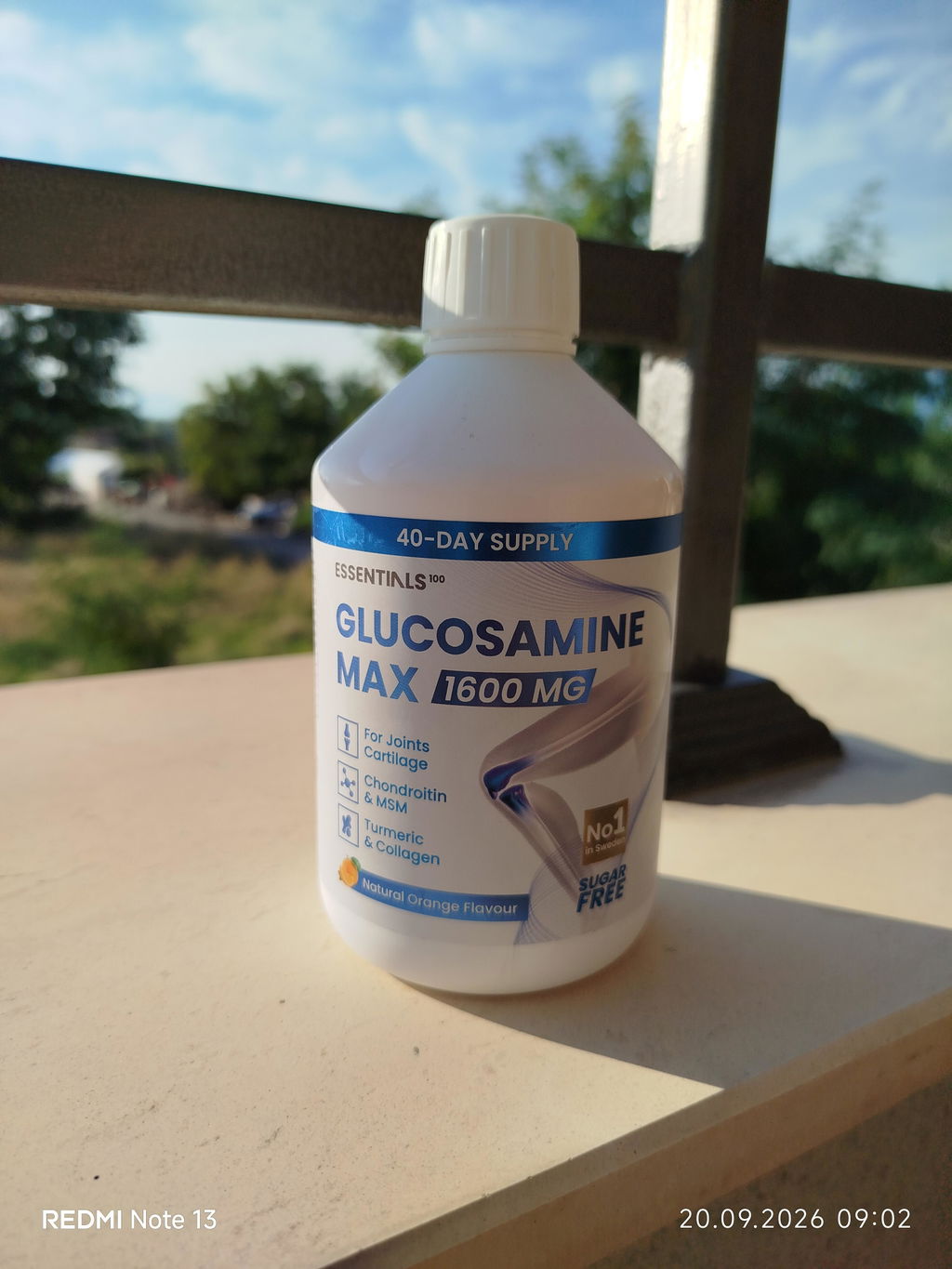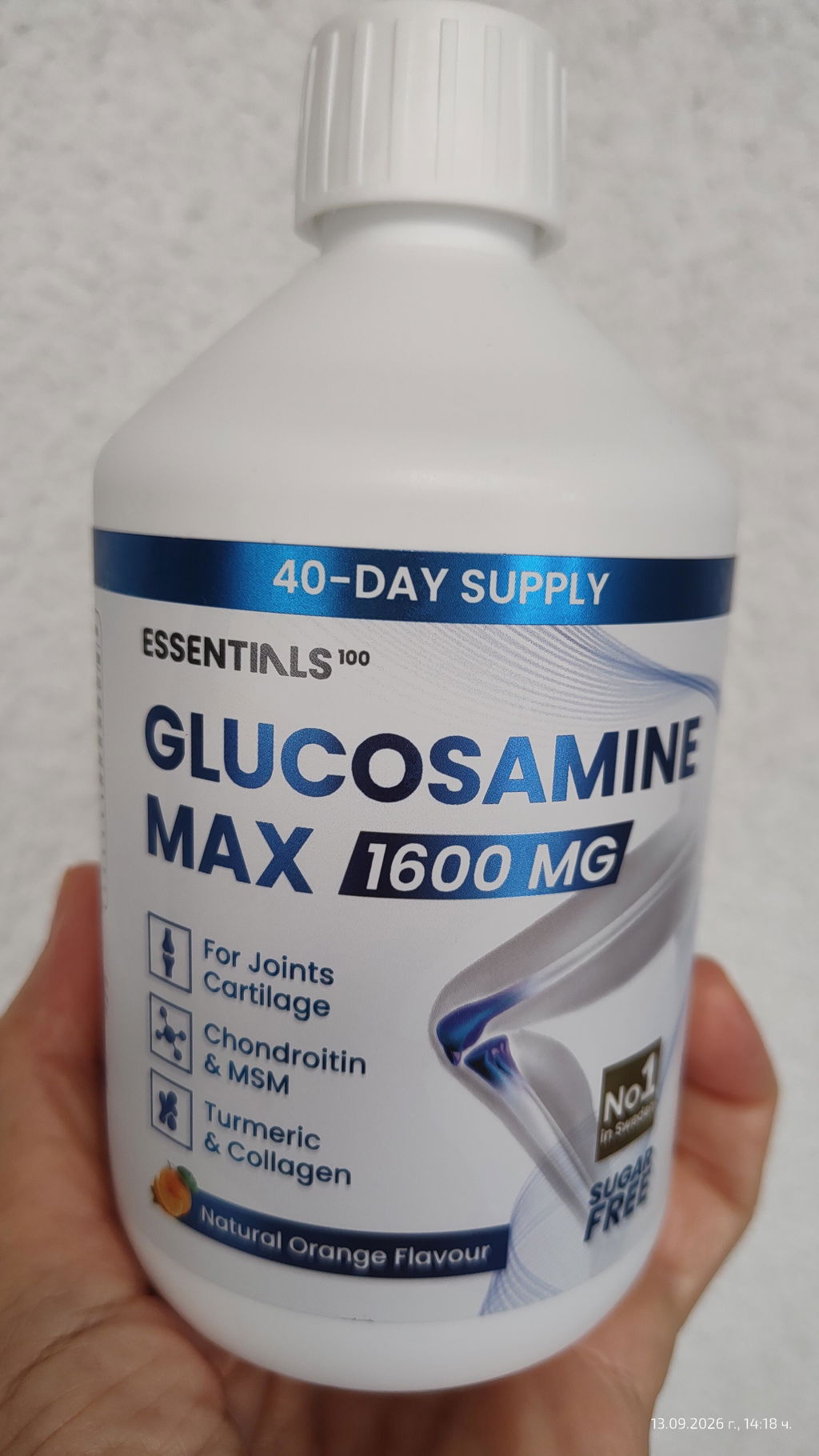

The variety of sports training and the pace of dynamic life in Bulgaria often raise questions about when and how to use nutritional supplements in an optimal way . Personal needs, sports goals and individual physiological characteristics play a decisive role in the correct choice and dosage. This information will help you build a balanced approach to supplements, tailored to your real needs, safety and desired result.
Contents
- Step 1: Assess personal needs and athletic goals
- Step 2: Choose appropriate nutritional supplements
- Step 3: Adjust dosage according to individual needs
- Step 4: Match supplements to your daily menu
- Step 5: Monitor the effect and adjust the balance
Quick summary
| Key point | Explanation |
|---|---|
| 1. Assess individual needs | A thorough study of personal needs and sports goals is the first step to success. |
| 2. Choose appropriate supplements | The selection of supplements should be targeted and based on individual sports goals. |
| 3. Adjust the dosage | Supplement dosages should be adapted to individual physical characteristics and training plans. |
| 4. Integrate with nutrition | Combine supplements with your daily menu for optimal nutrient absorption. |
| 5. Track the effect | Regular monitoring of the body's responses helps with adjustments and optimization of supplements. |
Step 1: Assess personal needs and athletic goals
To achieve optimal results from nutritional supplementation, the first and most important step is a thorough assessment of your individual needs and athletic goals. Scientific research shows that each athlete has unique nutritional requirements that directly impact their performance and recovery.
To make an accurate self-assessment, you need to analyze three key parameters: your sports profile, individual physiological characteristics, and your specific training goals. Start by determining exactly what type of sport you practice—high-intensity training, endurance, strength training, or other physical activity. Sports supplement research highlights that needs vary dramatically depending on the type of exercise and individual characteristics.
Pro tip: Keep a detailed training and nutrition diary for at least a month, which will help you identify your exact nutritional needs and deficiencies.
Step 2: Choose appropriate nutritional supplements
When selecting supplements, it is extremely important to understand your individual athletic goals and physiological characteristics. Scientific research on elite athletes emphasizes that supplements should be selected specifically for the specific results you want to achieve: increasing muscle mass, improving endurance, or recovering faster after intense training.
When choosing supplements, focus on scientifically proven options such as creatine, protein supplements, amino acids and caffeine, which have confirmed effective results . It is important to check that the selected supplements have been tested by independent laboratories, have quality certificates and are safe for consumption. Always prefer products that have passed strict purity controls and do not contain banned substances.
Here is a comparison of the main types of supplements and their effect on various sports goals:
| Additive type | Main effect | Suitable for sports |
|---|---|---|
| Creatine | Increases strength and power | Strength sports |
| Protein blends | Promotes muscle growth | Diverse disciplines |
| Amino acids | Accelerate recovery | Intense workouts |
| Caffeine | Improves endurance | Cardio and endurance |
Professional advice: Consult a qualified sports nutritionist or doctor who can make an individual assessment of your needs and recommend the most appropriate supplements for your specific case.
Step 3: Adjust dosage according to individual needs
Dietary supplement dosing is not a one-size-fits-all process and requires a precise individual approach. Scientific research emphasizes the importance of a personalized model for determining the exact amount of supplements, taking into account multiple factors such as body weight, training intensity, metabolic characteristics, and sports discipline.

When adjusting your dosage, you need to consider several key parameters. Clinical studies show that different genders have different needs for nutritional supplements. For example, women often need different doses of iron and calcium due to their specific physiological characteristics. It is advisable to have periodic check-ups and adjust your supplement intake according to changes in your physical condition and training regimen.
Pro tip: Keep a detailed diary with the exact amount and time of intake of each supplement, which will help you track the effect and make precise dosage adjustments.
Step 4: Match supplements to your daily menu
Proper integration of nutritional supplements with daily nutrition is critical to achieving optimal athletic performance. Nutritional periodization requires precise coordination of supplement intake with different training intensities and meal times, allowing for maximum nutrient absorption.

When planning your supplements, pay special attention to how they fit into your daily diet. Protein supplements are best taken immediately after a workout, when your muscles are most receptive to protein repair and synthesis. Amino acids can be taken during or immediately before a workout, while fat-soluble vitamins should be taken with foods containing fat for better absorption.
Pro tip: Try to synchronize your supplement intake with your natural eating rhythm by creating an easy and convenient schedule to follow consistently.
Step 5: Monitor the effect and adjust the balance
Tracking individual response to nutritional supplements is crucial for achieving optimal results. Research in athletes highlights the need for dynamic monitoring of metabolic markers, recovery levels, and overall performance.
To make an accurate assessment, it is advisable to keep a detailed diary that includes data on your training, physical condition and results. Controlled studies have shown that regular tracking helps to identify improvements or possible deficiencies in the supplementation plan. Pay attention to physical and psychological indicators such as energy levels, quality of recovery, muscle mass and general health.
The following table summarizes key points to monitor and adjust when taking supplements:
| Control indicator | How to track | Potential correction |
|---|---|---|
| Energy level | Status log | Change in dose or time |
| Recovery | Physical signs | Change the type of additive |
| Muscle mass | Measurement once a month | Adding/reducing proteins |
| General tone | Subjective assessment | Dietary adaptation |
Pro tip: Perform a thorough evaluation of the effects of supplements every 3 months and don't be afraid to make adjustments depending on changes in your physical condition and goals.
Optimize your supplement intake for better sports performance
You are having difficulty matching different nutritional supplements with your training regimen and goals. Every athlete knows how important it is to correctly dose and select supplements to achieve maximum effectiveness. Our wide range offers you over 30,000 carefully selected products to support your health and sports activity.
Don't let uncertainty slow down your performance. Dive into the variety of supplements, proteins and amino acids at https://feelyou.eu and benefit from expert advice for a personalized approach. Together we can build a plan that combines nutritional supplements with your daily menu and training regimen. Start your journey to optimal results now and feel the difference.
Frequently Asked Questions
How do I assess my personal nutritional supplement needs?
Assess your personal needs by analyzing your sports profile, physiological characteristics, and training goals. Start by keeping a training and nutrition journal for at least a month.
How do I choose the most suitable nutritional supplements for me?
Choose appropriate supplements by focusing on scientifically proven options that meet your goals and specifics. Consult with a qualified sports nutritionist who can make an individual assessment of your needs.
How do I adjust the dosage of supplements?
Supplement dosages should be individualized based on your body weight, training intensity, and metabolism. Check and adjust your dosages once a month to reflect changes in your physical condition.
How do I combine supplements with my daily menu?
Integrate supplements with your diet by timing them with your workouts and main meals. For example, consume protein supplements immediately after a workout for maximum absorption.
How do I track the effects of dietary supplements?
Track your individual response to supplements by keeping a diary of your training and fitness data. Evaluate the effect every three months and adjust your plan as needed.